
Your basket is empty
One Design, Four Methods: How Sublimation, DTF, DTG & HTV Compare Side by Side
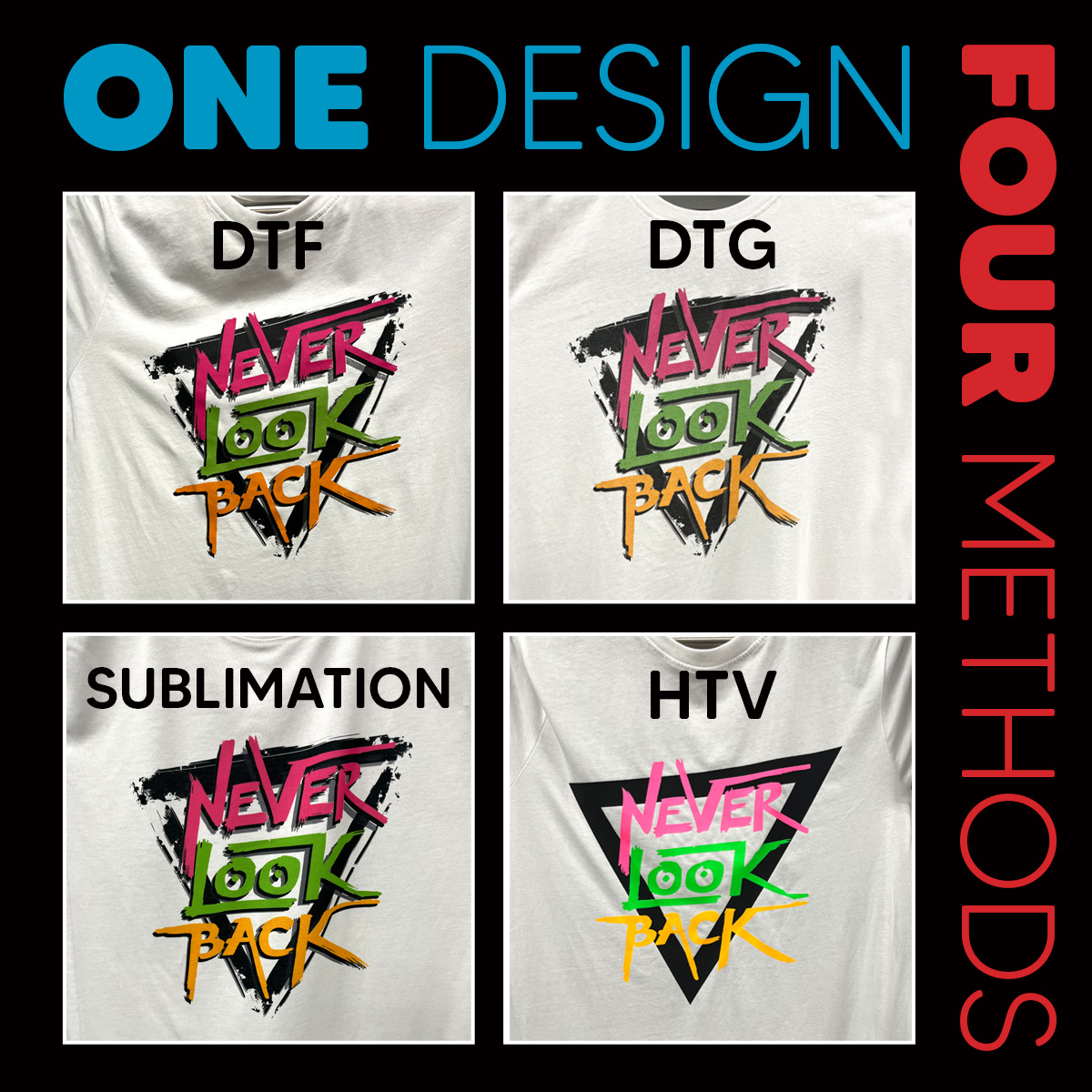
You've got the perfect design. But here's the question every print business eventually faces: Which print method will do it justice?
The answer isn't always straightforward. Sublimation, DTF, DTG and HTV each interpret the same artwork differently, affecting colour vibrancy, texture, durability, and which garments you can use. Choosing the wrong method can mean wasted time, wasted blanks, and disappointed customers.
So, we put it to the test. One design. Four methods. One T-shirt. Here's what we found.
Method 1: Sublimation
How It Works
Sublimation uses heat and pressure to convert specially formulated inks from a solid to a gas, which then bonds permanently with polyester-coated surfaces or, in this case, polyester fibres. The ink becomes part of the substrate - there's no surface layer to peel, crack, or fade.
The Result
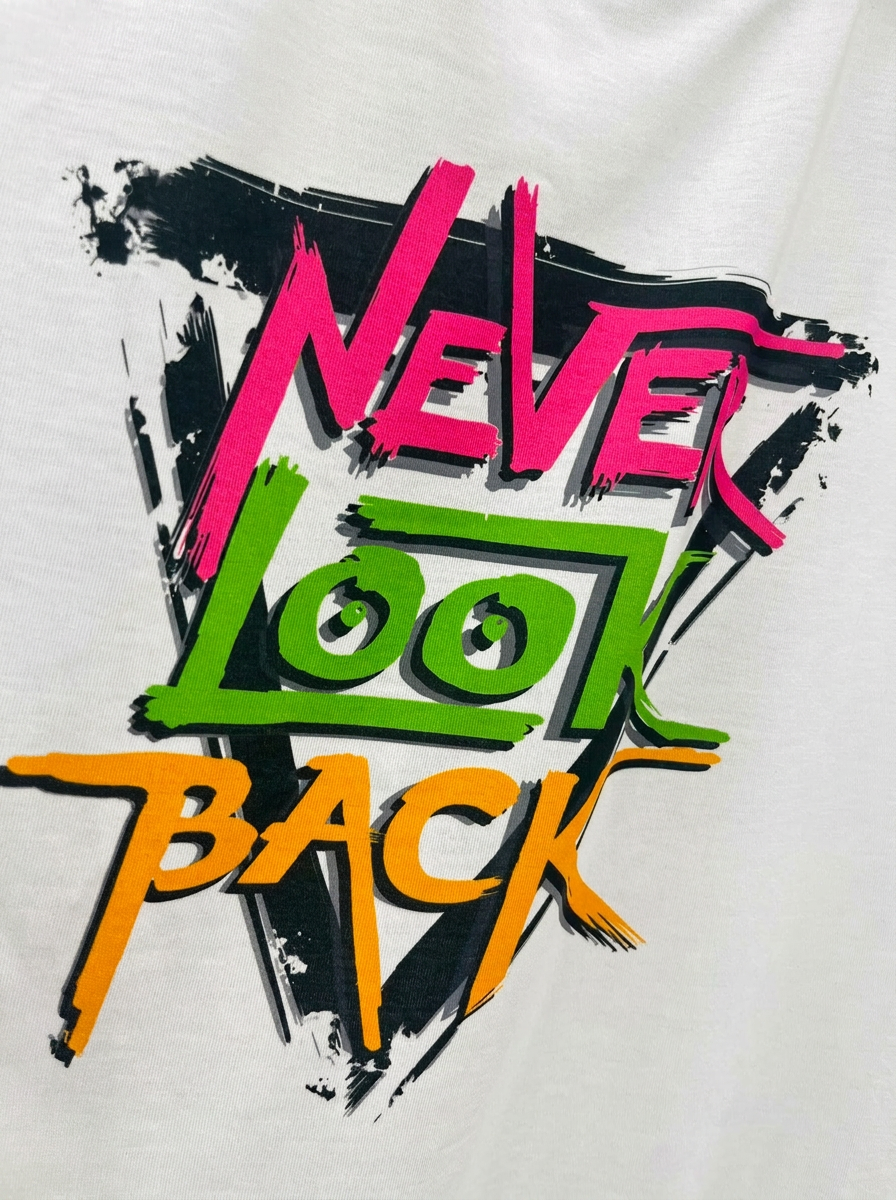
On a white polyester T-shirt, the design was exactly as we wanted: colourful, crisp and lightweight.
Best For
- Full-colour, photographic, or gradient-heavy designs
- White or light-coloured polyester garments
- Sublimation blanks: polyester fabric, mugs, bottles, coasters, photo slates, desk mats
Limitations
- Polyester or polymer-coated substrates only
- No printing on dark fabrics (no white ink capability)
Xpres Products Used
- Sublimation Inks
- Sublimation Transfer Paper
- Desktop Sublimation Printers
- Heat Press
- Sublimation Clothing
Verdict: Sublimation delivered the most vibrant, smooth result, but only on white polyester.
Method 2: Direct-to-Film (DTF)
How It Works
DTF printing lays down a white ink base followed by full-colour CMYK inks onto a special film. A hot-melt adhesive powder is then applied and cured. The finished transfer is heat-pressed onto virtually any fabric - cotton, polyester, nylon, blends and even canvas.
The Result
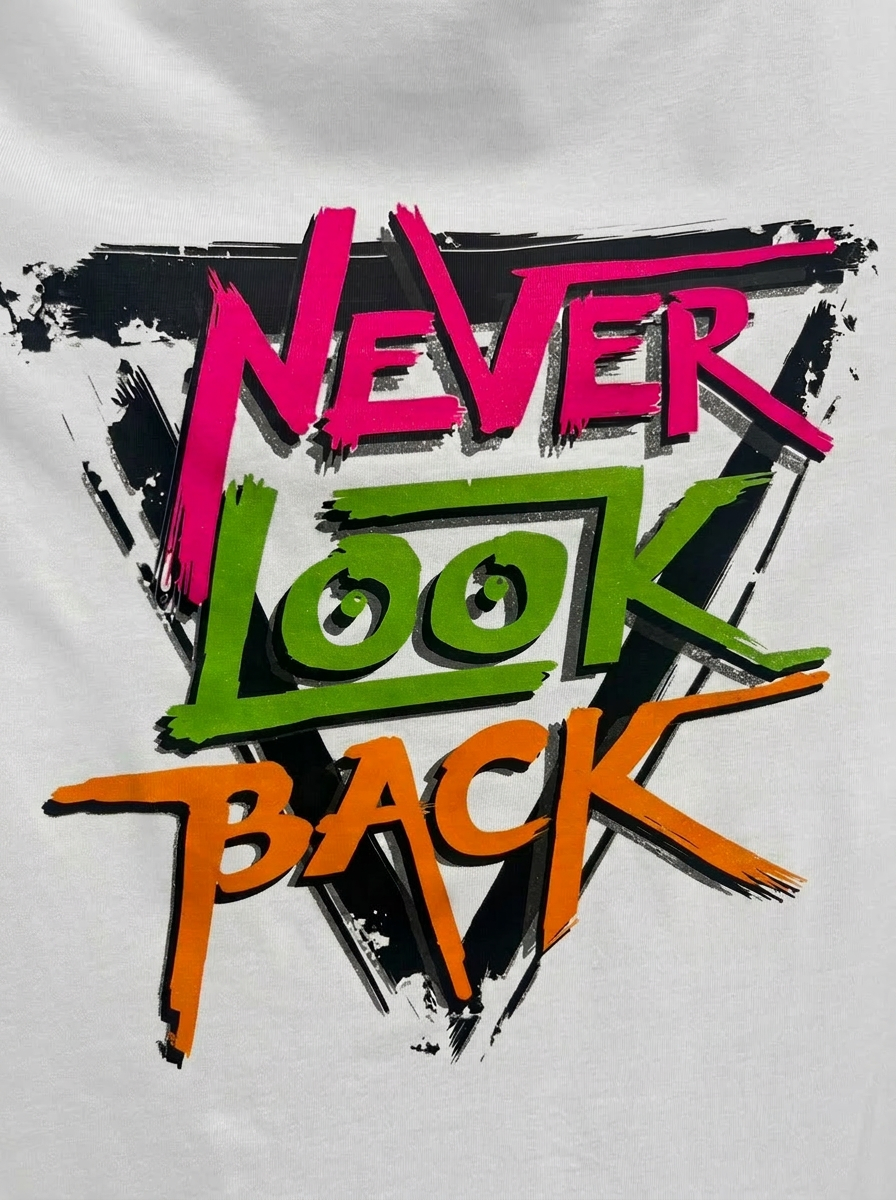
On the T-shirt, the DTF transfer was impressive. The design was rich and punchy, with the white under-base giving it serious opacity and pop against the dark fabric.
The print had a slight, smooth film texture (noticeable if you ran your fingers across it), but soft and flexible enough to move with the garment. After washing, the design held firm with minimal colour shift.
Best For
- Complex, multi-colour designs on dark fabrics
- Intricate fine-line detail and small text
- Mixed-fabric garments (cotton, polyester, nylon, blends)
- Short-run and one-off custom orders with no minimum quantities
Limitations
- Slight film-like hand-feel compared to DTG
- Requires adhesive powder and curing equipment
Xpres Products Used
Verdict: DTF was the all-rounder. Vibrant colour, fine detail, and fabric versatility made it the most flexible method in this test. The slight film texture is the only trade-off.
Method 3: Direct-to-Garment (DTG)
How It Works
DTG printers work like a high-resolution inkjet printer, spraying water-based inks directly into the fabric's fibres. On dark garments, a layer of pre-treatment is applied first before a white base layer is printed, providing an opaque base for the colour inks to sit on.
The Result
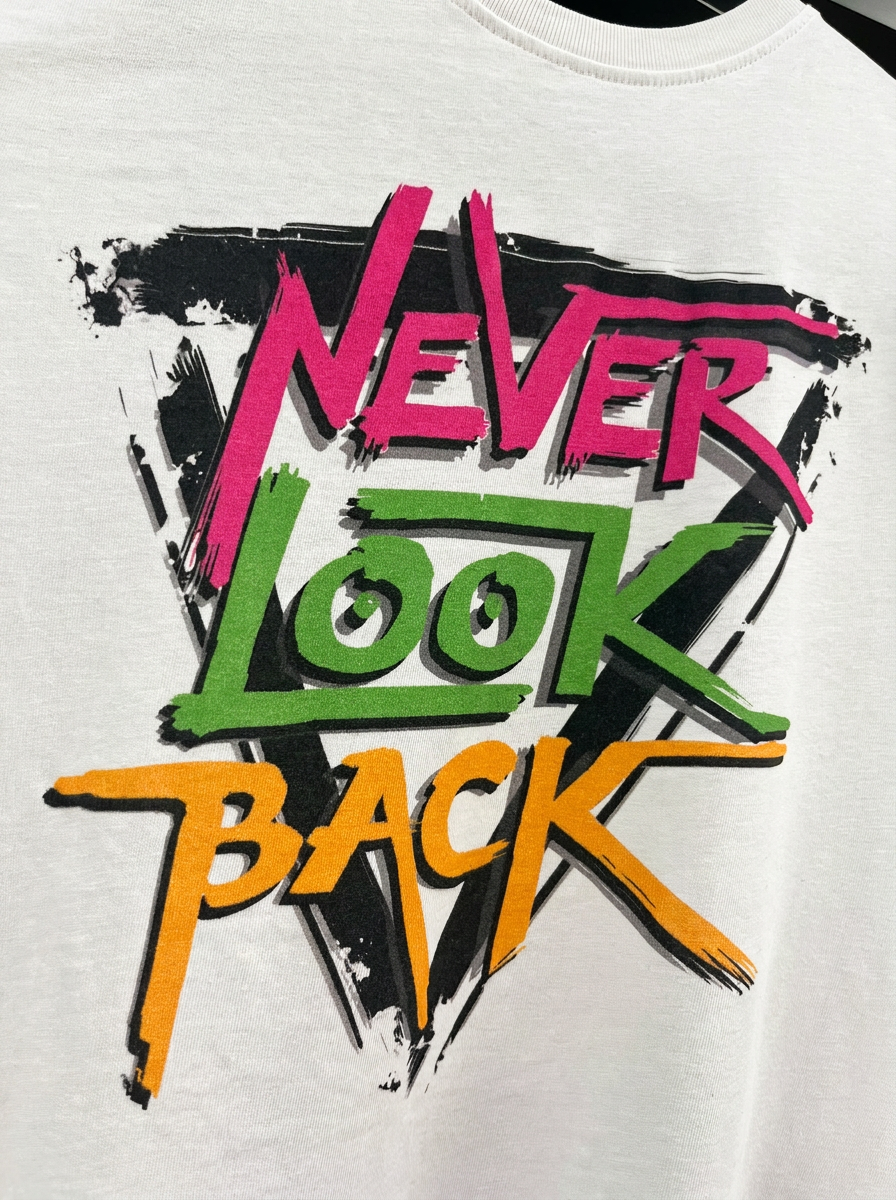
On the white 100% cotton t-shirt, the DTG print delivered the second softest hand-feel of the four methods. The ink sank into the cotton fibres, making the design feel like part of the garment rather than something sitting on top of it.
Best For
- Photo-realistic and painterly designs
- 100% cotton garments where soft hand-feel is the priority
- Vintage, distressed, or "worn-in" aesthetic designs
- Print-on-demand business models
- Designs with complex colour blending and soft gradients
Limitations
- Best results on 100% cotton (limited performance on synthetics)
- Pre-treatment required for dark garments (adds step)
- Slightly lower opacity on darks compared to DTF
- Higher per-unit ink cost on large, heavily inked designs
Xpres Products Used
Verdict: DTG won on hand-feel and that coveted "printed into the fabric" look. If softness and a premium cotton finish matter most to your customers, this is the method to choose.
Method 4: Heat Transfer Vinyl (HTV)
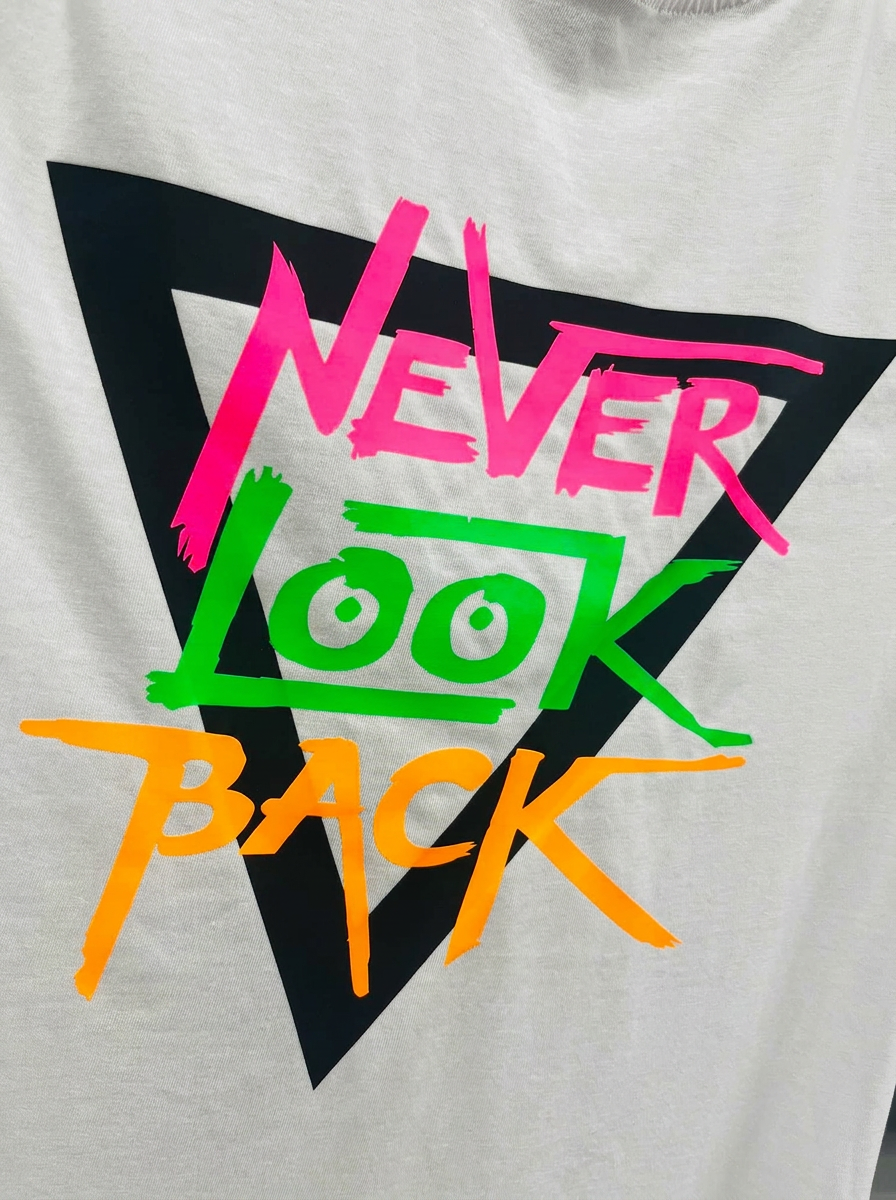
How It Works
HTV involves cutting designs from sheets of coloured vinyl using a plotter/cutter, weeding away the excess material, and then heat-pressing the remaining design onto the garment. Different vinyl types offer different finishes, from matte, gloss, flock, glitter, reflective and metallic to name just a few.
The Result
The result was striking in a completely different way. The colours were bright with a neon look, something that can't be achieved with any other method without specialised ink such as fluorescent ink.
Best For
- Bold typography and geometric/vector designs
- Single or limited-colour graphics
- Sports jerseys: names, numbers and team logos
- Premium tactile finishes: flock, glitter, reflective, metallic, holographic
- Workwear and corporate branding with clean, durable logos
- Transfer longevity with colours that never fade.
Limitations
- Not suited to photographic, gradient, or multi-colour complex designs
- Fine detail and small text can be difficult to weed
- Each colour requires a separate layer (time-intensive for multi-colour work)
- Large solid designs can feel heavy or stiff on the garment
Xpres Products Used
Verdict: For bold graphics and special finishes, nothing else compares.
So, Which Method Should You Choose?
There's no single "best" method, only the best method for the job. Here's a quick decision guide:
Choose Sublimation if:
You're printing vibrant, full-colour designs on white or light polyester garments and hard substrates (mugs, bottles, coasters). You want zero hand-feel and maximum colour intensity.
Choose DTF if:
You need maximum versatility - printing detailed, colourful designs across cotton, polyester, nylon, and blends in any colour, with excellent opacity on darks. This is the go-to for businesses serving a wide range of customer requests.
Choose DTG if:
Soft hand-feel on premium cotton is your priority. Ideal for fashion-forward brands, vintage aesthetics, and photo-realistic artwork where the print should feel like part of the garment.
Choose HTV if:
You're producing bold, clean graphics such as names, numbers, logos, and typography and want to offer premium tactile finishes like flock, glitter, or reflective vinyl that no digital method can replicate.
 If you'd like to find out more about each process, check out our How To Guides!
At Xpres, we supply everything you need for all four methods, from desktop sublimation printers and DTF starter setups to DTG-approved garments and specialist HTV finishes, backed by free UK delivery on orders over £100 and expert technical support from our team.
Ready to expand your capabilities? Visit our Castle Donington showroom for live demos across all four methods, or get in touch with our team to find the right setup for your business.